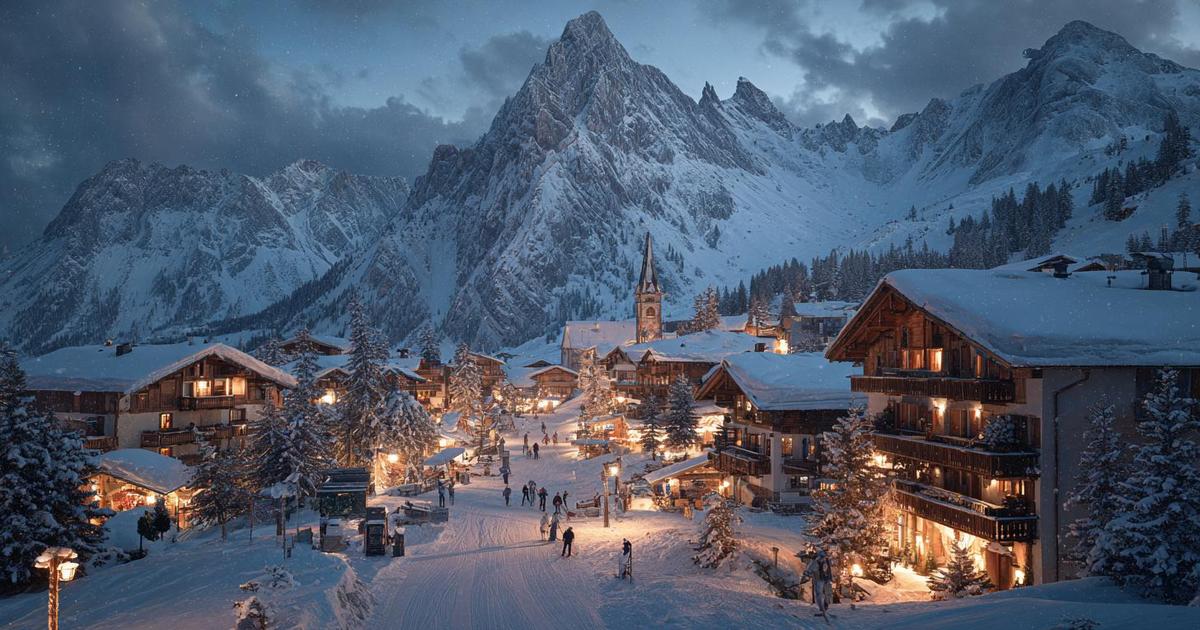
There are ski resorts that feel like sporting destinations, and there are ski resorts that feel like a winter lifestyle. Lech belongs firmly to the second category. Arriving here is not simply a matter of clipping into skis and chasing vertical. It is an introduction to a distinctly Austrian idea of alpine comfort, where the village is polished without feeling manufactured, where the slopes are expansive without being overwhelming, and where the rhythm of the day is shaped as much by long lunches and spa sessions as it is by lift rides.
Lech Zürs am Arlberg sits inside the vast Ski Arlberg network, meaning one lift pass opens a world that extends beyond Lech itself. Yet Lech remains its own place, with its own personality. It is quieter than St. Anton, more village-like than a purpose-built resort, and unmistakably premium. Even the first hour here hints at what makes it special. The streets are tidy, the hotels feel designed for winter living rather than simply winter sleeping, and the mountains rise close enough that you can sense the scale of what you are about to explore.
Why Lech Works So Well for First-Time Visitors
For a first visit to the Arlberg, Lech is an unusually forgiving choice. The atmosphere is calm, the signage and resort flow are intuitive, and the terrain offers progression that feels natural. Beginners can start gently without feeling exposed, intermediates can spend days cruising long, scenic runs, and stronger skiers can use Lech as a refined base while still reaching the steeper, more dramatic terrain of St. Anton and Stuben.
A first trip also benefits from how well Lech balances convenience and escape. You can walk from your hotel to lifts, ski school, rentals, and restaurants with minimal friction, but the village still feels tucked away, as though it belongs to the mountains rather than to the logistics of tourism.
When to Visit Lech for the Best Experience
Lech’s winter season often runs from early December into April, though exact dates depend on the year and conditions. For most travelers, the best combination of snow reliability, full lift operations, and good village energy tends to land between mid-January and early March. Those weeks usually provide the classic Lech experience: strong snow base, open connections across the Arlberg, and enough activity in town to feel lively without becoming chaotic.
Late March and early April can be wonderful if you prefer brighter days and longer afternoons. Spring skiing in Lech often feels luxurious, especially when you can finish your day on snow and then sit outdoors with sunlight still catching the peaks.
Getting to Lech Without Stress
Lech feels remote in the way alpine villages should, but it is easier to reach than many first-time visitors expect. Most international travelers arrive via Zurich, Munich, or Innsbruck. Zurich is the most consistently convenient for long-haul connections and reliable transfers. Innsbruck is closer and scenic, though flight options can be limited. Munich offers strong flight pricing at times, but it can add transfer time.
The most seamless arrival plan is a private transfer. It is particularly worthwhile if you are traveling with ski bags, arriving late, or visiting during peak turnover days. If you prefer rail travel, you can take a train to Langen am Arlberg and continue by taxi or bus. Driving is possible as well, though winter tires are essential and snow chains are worth carrying.
Where to Stay: The Choice That Defines Your Trip
Lech is compact, but the feel of your trip shifts depending on where you sleep.
If you stay in Lech village center, you get the most balanced experience. The village offers walkability, easy access to lifts and ski school, and a strong selection of restaurants that suit everything from casual comfort to high-end dining. For first-time visitors, this is usually the safest and most satisfying base.
If you stay in Oberlech, you step into a different version of the resort. Oberlech sits above the village and is known for ski-in, ski-out hotels that feel like mountainside sanctuaries. The evenings are quieter, the views are wide, and the experience is beautifully self-contained. Families often love Oberlech because the ski-in, ski-out convenience reduces daily friction.
If you stay in Zürs, you enter the most hotel-oriented, ski-first segment of the Lech Zürs experience. Zürs is smaller, more resort-like, and often chosen by travelers who want high-end accommodation with immediate lift access and a strong focus on skiing.
What Skiing Feels Like in Lech
Lech’s reputation is built on two things: the quality of its groomed terrain and the elegance of how the resort skis. Intermediates often fall in love here because the runs invite confidence. They are scenic, well-maintained, and designed for flow. Even busy weeks tend to feel manageable because the network disperses skiers across a wide area.
Beginners benefit from the fact that learning in Lech does not feel intimidating. The resort has beginner-friendly zones and excellent ski schools, and the atmosphere is patient rather than rushed.
Advanced skiers and off-piste enthusiasts will find that Lech offers serious terrain as well, especially when conditions are right and you explore the wider Arlberg. If you plan to go beyond the marked runs, treat guiding as part of the experience rather than an optional extra. The Arlberg is real mountain terrain, and the best days off-piste are the ones approached with respect, local knowledge, and proper safety practice.
The Lech Day: More Than a Ski Day
One of the most underrated elements of Lech is that it encourages a complete winter day. You can ski hard in the morning, settle into a long lunch in a mountain hut, ski again when the light softens, and still have enough energy for wellness, dinner, and an early night. This is not a place where you feel pressured to chase après at all costs. If you want that, St. Anton is nearby. In Lech, the luxury is that you can end your day on your own terms.
Beyond skiing, Lech offers winter walking trails, snowshoe routes, sleigh rides, and hotel spas that can compete with dedicated wellness resorts. Even if you came primarily to ski, you will likely leave appreciating how restorative it feels to pause.
A First-Timer Friendly Four-Day Plan
A short trip to Lech rewards structure. On your first day, focus on arrival and orientation. Get your gear sorted, take a short warm-up ski if time allows, and prioritize sleep.
On your second day, explore Lech’s local terrain and allow yourself to settle into the resort’s pace. Ski until early afternoon, then treat yourself to a spa session. The recovery will improve everything that follows.
On your third day, ski toward Zürs and experience how the region expands when you move beyond the village. This is also a good day for a premium mountain lunch, since your confidence will be higher and your navigation easier.
On your fourth day, choose your adventure. If you want dramatic energy and challenging terrain, head toward St. Anton. If you want quieter slopes and a different landscape, consider Warth-Schröcken. Either way, you return to Lech in the evening with the sense that you have not simply visited one resort, but stepped into an entire alpine world.
Final Practical Advice
Lech rewards early planning. Accommodation inventory is limited, demand is consistent, and peak weeks fill quickly. If your schedule allows, avoid Saturday turnover days for travel, and consider arriving Sunday and leaving Friday for smoother transfers.
Pack thoughtfully, especially if you have not skied in the Alps before. Conditions can change quickly. Bring layers that can handle cold mornings and sunny afternoons, and do not underestimate the value of a good goggle lens for flat light.
Lech is not about rushing. It is about doing things well, and enjoying the quiet confidence of a resort that does not need to shout.